




With so many veneer options available, from composite and porcelain to Emax and no-prep, choosing the right veneer type for you can feel like an impossible task.
One brand that pops up repeatedly is Lumineers, as they are marketed as the veneer option that needs no drilling or needles.
But what exactly are Lumineers, and how do they compare to traditional veneers? The experts at Harley Street Smile Clinic reveal all.
What are Lumineers?
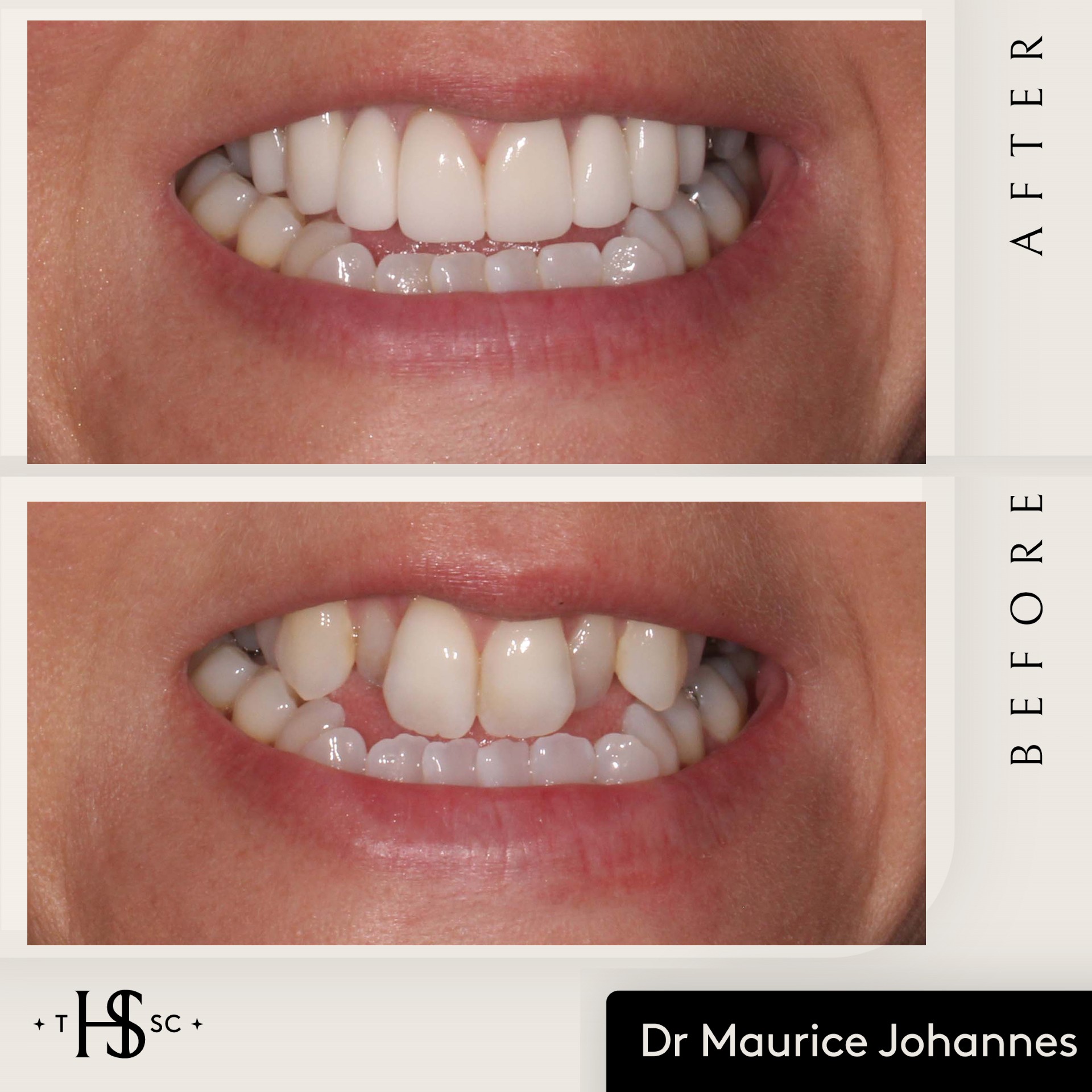
Lumineers are a brand of ultra-thin porcelain veneers, made by dental manufacturer DenMat. Not marketed as a stand-alone treatment, they sit within the wider family of no-prep veneers, also known as laminate veneers.
Each Lumineer is crafted from a patented material called erinate porcelain and can be as thin as 0.2 mm- like a contact lens. Unlike contact lenses, however, this thinness doesn’t detract from their strength and means that little to no enamel needs to be removed from the natural tooth.
It’s worth bearing in mind that while all Lumineers are no-prep, not all no-prep veneers are Lumineers.
Who are Lumineers suitable for?
Lumineers can deliver beautiful results, but they suit fewer smiles than many people expect. Good candidates might have:
- Small gaps between teeth
- Teeth that are slightly small or set back
- Mild discolouration
- Minor chips or worn edges
- Patients keen to preserve natural enamel
If you have concerns about whether you will be eligible, your dentist will let you know once they have assessed your smile in person at a consultation.

How are Lumineers different to porcelain veneers?
Traditional porcelain veneers are custom-made to cover the front surface of the teeth and require a thin layer of enamel removal first, so they sit naturally in line with the rest of your smile.
Lumineers, however, are different, both in design and application, bringing patients a real array of tangible benefits:
- Little to no enamel removal
As Lumineers are so thin, most or all of your natural enamel can often stay in place. Traditional veneers usually require a small amount of reduction, which is permanent.
Check our blog to see what teeth look like under veneers if you want to know more.
- Potentially reversible
As little to no tooth preparation has been required, Lumineers can be removed in the future if you decide not to reinvest in a new set.
With traditional veneers, once the enamel has been removed, treatment can’t be undone, and you must continue with veneers or composite bonding in the future.
- Little to no anaesthetic
With little or no reshaping involved, most patients don’t need injections, making treatment a more comfortable choice for patients who are sensitive or who feel particularly nervous about visiting the dentist or needles.
- A more translucent finish
The thinness of Lumineers lets some light pass through, creating a natural, enamel-like look. However, because of this, they also offer less coverage than thicker porcelain veneers, meaning they aren’t suitable for every patient.
For this reason, traditional porcelain veneers remain the gold standard for teeth that need more significant reshaping or are heavily discoloured. Their extra thickness and opacity give the dentist far greater control over the final shape and shade.
Lumineers vs Emax and composite veneers
Emax veneers are made from lithium disilicate glass-ceramic, a material prized for its strength and lifelike translucency. Like Lumineers, they can be very thin, though they may require more tooth preparation, depending on your unique circumstances.
For patients looking for a more economical option, composite veneers are made from tooth-coloured resin rather than porcelain, can often be fitted in a single visit, and tend to be the most budget-friendly choice. They are, however, more prone to staining and chipping over time.
For small, targeted repairs, composite bonding or porcelain bonding may be even more suitable – speak to our dentists at your consultation about which is best for your smile.

Lumineers prices
The cost of Lumineers London-wide will differ patient-by-patient depending on:
- The number of veneers you need
- The complexity of your case
- The dental team delivering your care
Lumineers are generally less expensive than traditional porcelain veneers, as less preparation is involved. However, here at Harley Street Smile Clinic, we can only offer an accurate price after a consultation with one of our experienced dentists.
For more information, browse our veneer fees or book a consultation to discuss your smile goals and what it might cost to achieve this outcome.
Contact HSSC for Lumineers today!
Lumineers can be a brilliant option for the right smile, and can completely revolutionise not only their appearance but your self-confidence, too.
Our Principal Dentist, Dr Maurice Johannes, has placed over 50,000 veneers across more than 30 years, making them ideally placed to help you.
To find out more, arrange a consultation for Lumineers in Harley Street or call us on 020 7971 1909, and we’ll help however we can.