




Do you dream of a better smile? As one of the first things we show to others, we can understand why. But with so many different options out there – where do you begin?
If you’ve been considering porcelain veneers such as the kind we do here at Harley Street Smile Clinic, then you’re certainly not alone. By far one of our most popular, and most successful cosmetic procedures, you can create a whiter, brighter looking smile that still looks and feels natural in just a few appointments. Finding out what you need to do to prepare for porcelain veneers, and what to expect from the procedure itself is pretty easy – but what kind of results should you expect from high-quality veneers?
To shed some more light on what to expect after your veneers treatment, today we’re answering one of the most asked questions we receive here at Harley Street Smile Clinic; how long should porcelain veneers last?
What are porcelain veneers and why are they so popular?
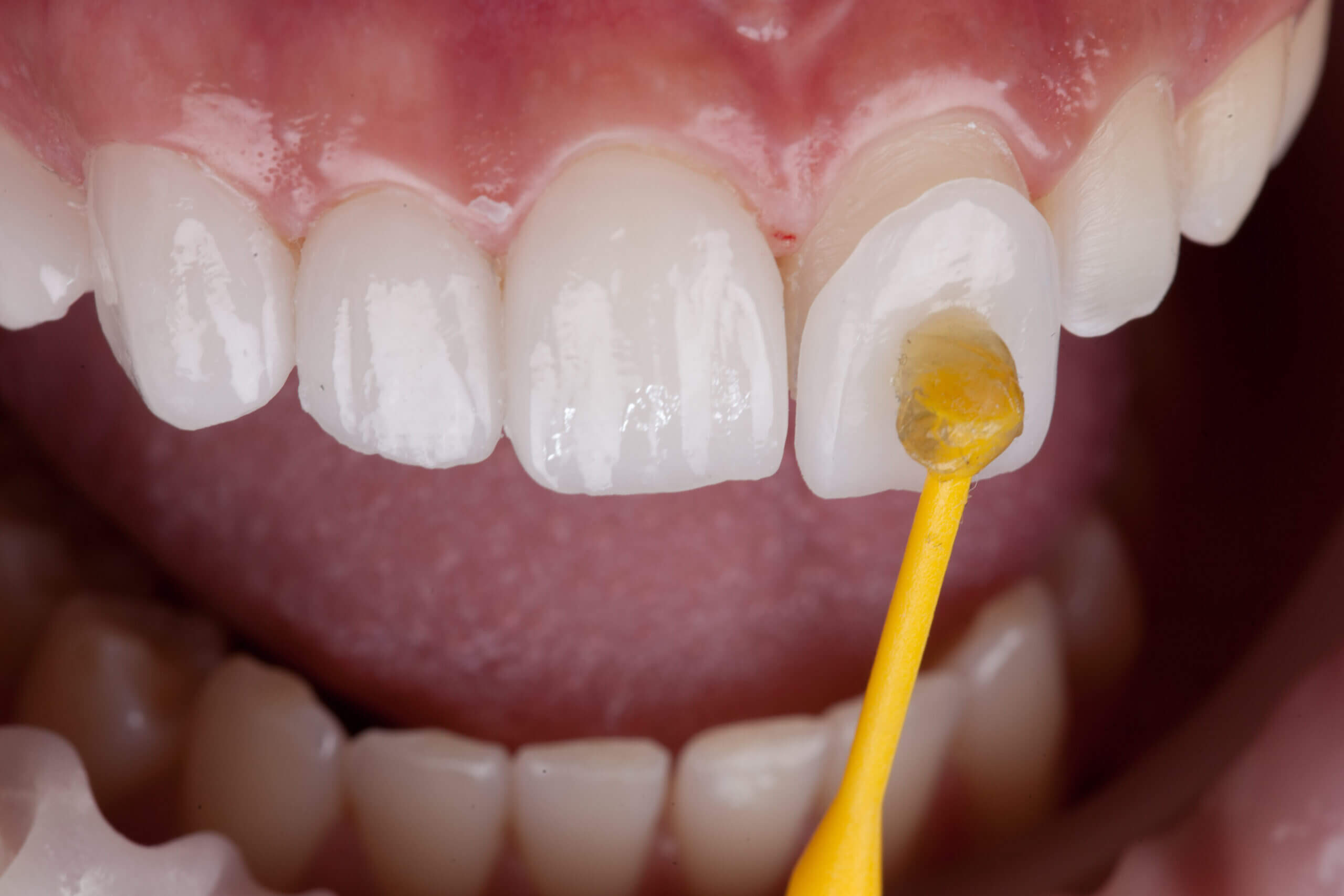
Porcelain veneers are slim, but robust, layers of ceramic material shaped and coloured to perfect your ideal smile and cover any problem areas such as cracks, chips, discolouration and gaps. They have become so widely popular not only because of how versatile they are, but also how effective the end result is when done properly.
Once you have had your free simulation and all necessary consultations with our specialist, your porcelain veneers are ready to be fitted! They are applied to the outside surface of the teeth you want to be treated using a long-lasting dental cement and require a layer of tooth enamel to be removed before they can be fitted in order for them to sit flush with your natural teeth. Usually, the entire process can be completed within just a few appointments, making it pretty straight-forward.
Of course, those opting for porcelain veneers should be prepared to maintain a certain level of commitment. Good oral hygiene and regular check-ups with your dentist, for example. But all in all, porcelain veneers should be pain-free and have the power to provide a new lease of life, increased self-confidence and a smile you can be proud of.

How long will your Porcelain Veneers last?
So, now for the most important part in today’s blog; how long will your porcelain veneers last?
Whether it’s to improve dullness, gaps, chips, cracks or crookedness, you want to know that if you’re investing in porcelain veneers, you are getting the most for your money, which is totally understandable! There are a number of factors which can have a direct impact on the lifespan of your veneers, and we will explore these further here.
Personal upkeep – Now, of course you are expected to maintain the upkeep described earlier, and your cosmetic dentist will be able to go into how best to maintain your veneers in greater detail at your appointments. Remember, veneers are attached to your natural teeth and will be used every single day – so regular upkeep is a no-brainer!
Choosing a reputable cosmetic dentistry clinic – There are hundreds of cosmetic dentistry clinics in the UK alone, and not all will offer the same high standards as we do here at Harley Street Smile Clinic. Wherever you are in the world, it is vital that you do your research and ensure that the cosmetic dentistry clinic you choose is patient-focused, honest, qualified and experienced. Unfortunately, the skills, qualifications and experience of the cosmetic specialists will have a direct impact on how long, and how well your porcelain veneers last.
Veneers are never permanent – Even if you get your veneers fitted by the most qualified specialist and maintain the highest levels of upkeep – eventually they will still need replacing. Although veneers are not reversible, they will require replacing eventually.
With all of these factors in mind, porcelain veneers which have been fitted properly and are well looked after should last up to 15 years but could even last longer! So whilst they certainly are an investment, they are one that can be life changing for many years to come.
Why not request a free porcelain veneers e-consultation with one of our experts today!
Here at the Harley Street Smile Clinic we expect our porcelain veneers to last for 15 years with the proper regular care and maintenance, that life expectancy can easily be extended to 20 years. But let’s just take a look at some of the studies.
The Facts
Studies undertaken by U S Beier in 2012 and previously by D Layton in 2007 show that porcelain veneers last around ten years on average, but can often survive intact for between fifteen and twenty years.
The most common cause of failures in veneers, according to these two studies, are structural issues such as wear and tear which leads to cracks, fractures and chips, or de-bonding or loss of retention, meaning that the gumline or arrangement of the natural teeth themselves has changed over time so the veneers don’t fit as well.
Taking care of your Porcelain Veneers
The easiest way to ensure a long and healthy life for your veneers is to stick to a strict dental hygiene routine – just the same as you would for your natural teeth. Brushing and flossing regularly as well as using mouthwash and steering clear of too many acidic or sugary foods will help no end to keep them in tip-top condition. Furthermore, if you play contact sports, it’s definitely worth wearing a gum shield to protect against chips or breakages. Here are five key tips for ensuring the longevity of your porcelain veneers.
Practice good oral health
About 6% of veneers fail due to issues relating to tooth decay, so just like with your teeth your porcelain veneers need to be brushed and flossed thoroughly on a daily basis. Ideally, you should use a non-abrasive toothpaste that contains fluoride, but our expert team will be happy to advise you on the best home oral care for your veneers at your consultation.
Minimise staining influencers
Drinks like soda, red wine, coffee and tea, though our daily favourites are significant staining agents. And though they won’t stain your porcelain veneers they can potentially stain your remaining teeth, making it so that they don’t match your veneers and so disrupting the aesthetics of your new smile.
Avoid grinding your teeth
Grinding and clenching your teeth is never a good habit to have, but to those with porcelain veneers, it can be particularly detrimental. By grinding your teeth, you effectively place a significant amount of pressure on your veneers which causes damage to the porcelain. Another study by Beier found that the grinding of teeth can lead to an eight times higher failure rate of your porcelain veneers.
Protect your veneers
Just like the pressure from grinding your teeth, excessive outside forces can be a significant risk to your porcelain veneers, so if you take part in sports like Rugby, Hockey or even Football then you should look to use an athletic mouth guard to protect your new veneers.
Minimise extreme temperatures
The construction of porcelain veneers involves bonding porcelain with a cement bond to the enamel of your teeth. All three of these materials will expand and contract at differing extreme temperatures and over time it’s possible that this may cause cracks and breaks in your porcelain laminate.
Read our Complete Guide to Dental Veneers to find more information about Dental Veneers.
What type of veneers will last the longest?
Porcelain veneers: we’d be disappointed if porcelain veneers didn’t last for at least 15 years. Ideally, we’d expect you to be able to get 20 or more years of enjoyment from them.
Composite veneers: as a thin layer of resin applied directly to the tooth, this type of veneer typically only last 2-5 years.
How to prolong the lifespan of veneers
- Regular check-ups
Veneers are fitted to your regular tooth, so it’s essential to continue with routine dental appointments to keep your oral health on track and maintain a healthy smile.
- Proper brushing
Especially in the early days, when you’re still getting used to wearing veneers, it can be tempting to avoid brushing your teeth or to only apply minimal pressure when you do. This is a mistake. Brush as normal, for approximately 2 minutes (and twice daily) to keep your mouth clean and healthy.
- Flossing
Some people believe flossing may be harmful to veneers – risking dislodging the fitting. But there’s no need to worry. It’s just as important to floss veneered teeth as it is natural.
- Mindful eating
Diet plays an important role in oral health – even if you have veneers.
Just as with a natural tooth, excessively hard, chewy food can chip veneers. Too much sugar can cause decay and gum disease. And a rich diet of dark food (think red wine, coffee, and curries) can cause surface stains over time. So taking care not to overindulge in any of these things, will help to maximise the lifespan of veneers.
- Taking care
Veneers may offer an extra layer of protection to teeth but they’re not invincible!
Remember not to use your teeth as a tool. If you play sports wear a mouth guard and if you suspect you may grind your teeth, speak to your dentist about wearing a guard at night.

What If I Have Problems With My Veneers?
The good news is that cosmetic dentists are highly experienced in repairing and replacing porcelain veneers, so even if you have a major problem with them, it’s really easy to arrange to have it remedied. Following the one consultation and two sessions it usually takes to have veneers applied, it’s the regular practice that you will need to arrange a couple of follow up sessions to check on them – meaning that any initial problems can be picked up quickly, though these are very rare.
So, there you have it, with the correct care and cleaning your porcelain veneers can have a long lifespan and keep your smile glowing for years to come. Thinking of having some porcelain veneers fitted why not request a free e-consultation with one of our experts today!
Looking for a less invasive alternative? Learn more about Porcelain Bonding in London.
CONTACT US